
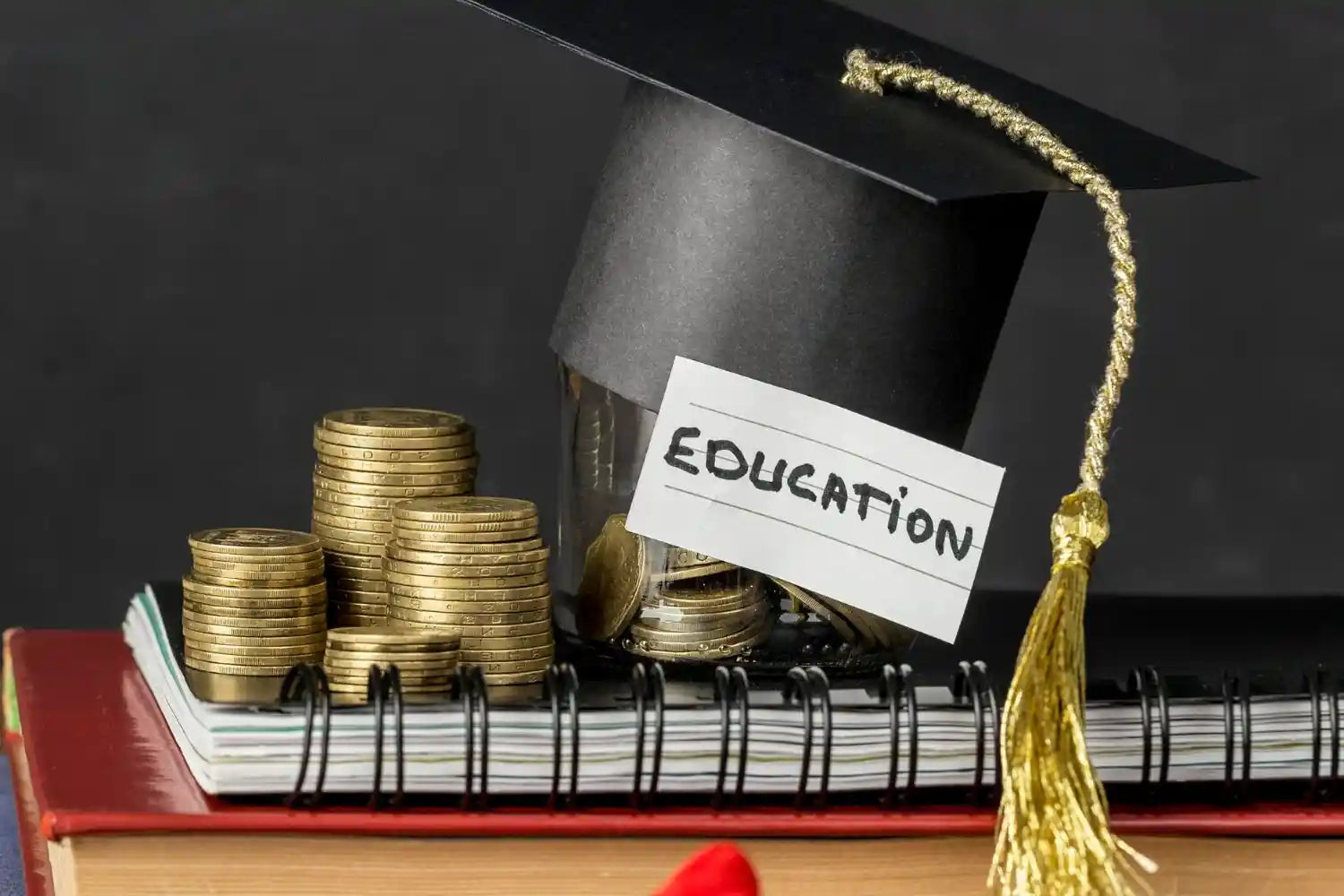
Higher education is a major investment in your future. As tuition fees and living costs rise in 2026, many families find that personal savings aren't enough to cover the full cost of a top-tier degree. Sri Roopa Rao M, who has spent over 15 years guiding students through the complexities of international admissions and ELP tests, notes that an education loan is often the most strategic way to bridge this gap. Instead of seeing a loan as a burden, it is helpful to view it as a financial tool that provides immediate access to opportunities that might otherwise stay out of reach.
An education loan does more than just pay for classes. It offers a structured way to manage significant expenses while providing unique tax advantages and credit-building opportunities. Understanding the specific benefits of education loan options helps you make a choice that supports your long-term career goals without putting immediate pressure on your family finances.

Comprehensive Coverage Beyond Tuition Fees

A common misconception is that student loans only cover university tuition. In reality, most lenders provide holistic support that includes almost every expense related to your studies. This is especially useful for students heading abroad, where living costs can equal or exceed the cost of the course itself.
Most education loan packages now cover:
- Full tuition fees paid directly to the institution.
- Accommodation and hostel charges.
- Travel expenses and airfare for international programs.
- Books, laptops, and required study equipment.
- Mandatory insurance and examination fees.
I always remind students to look closely at the "miscellaneous" category in their loan offer. Many people forget to budget for things like a high-end laptop for engineering or specialised software. Most banks are willing to include these costs if you provide the proper documentation early in the process. This comprehensive coverage ensures you can focus on your grades rather than worrying about how to pay for your next flight home or a new textbook.
Flexible Repayment and the Moratorium Period

The most significant advantage of a student loan compared to a personal loan is the moratorium period. This is a "grace period" that lasts for the duration of your course plus an additional 6 to 12 months after graduation. During this time, you are not required to pay back the principal amount of the loan.
This flexibility serves several purposes:
- Academic Focus: You can concentrate on your studies without the stress of monthly instalments.
- Job Search Buffer: The extra months after graduation give you time to secure a high-paying job before your EMIs begin.
- Customizable Tenures: Most banks offer repayment periods ranging from 5 to 15 years, allowing you to choose a monthly payment that fits your starting salary.
I have noticed that students who use this grace period to build a small emergency fund before repayments start tend to be much more successful in managing their debt. Most lenders also allow you to pay off the loan early without any "prepayment penalty," which I highly recommend doing once you receive your first few career bonuses.
Tax Benefits Under Section 80E
One of the most powerful financial perks is the tax deduction available under Section 80E of the Income Tax Act. The person paying the interest on the loan (whether the student or the parent) can claim a deduction on the total interest amount paid. Unlike other tax sections, there is no upper limit on how much interest you can deduct.
This benefit is available for up to eight years. It effectively reduces the "real" interest rate you are paying because of the tax savings you gain. For families in higher tax brackets, this makes a student loan significantly cheaper than using a personal loan or liquidating an investment that is currently earning good returns.
Government Schemes for Affordable Education

The Indian government has introduced several initiatives to ensure that financial background does not stop a talented student from learning. These schemes are designed to make the benefits of education loan facilities accessible to everyone.
| Scheme Name | Primary Benefit | Eligibility Insight |
|---|---|---|
| CSIS (Central Sector Interest Subsidy) | Full interest subsidy during the moratorium period. | For families with an annual income up to ₹4.5 lakh. |
| CGFSEL (Credit Guarantee Fund) | Collateral-free loans up to ₹7.5 lakh. | Ideal for students without property to pledge. |
| PM-VidyaLakshmi | 3% interest subvention on loans up to ₹10 lakh. | For families with income up to ₹8 lakh. |
I often see students overlook these subsidies because they assume the application process is too difficult. However, the Vidyalakshmi portal has made this much simpler. If you qualify for these schemes, your total repayment amount drops significantly. It is worth the extra hour of research to see if you meet the criteria for an interest subsidy.
Education Loan vs. Personal Savings: The Strategic Choice
Many parents feel a sense of pride in paying for their child's education using life savings or Fixed Deposits. While this is admirable, it is often not the smartest financial move. Liquidating an investment that earns 7% to 8% interest to pay for college means you lose out on the future compounded growth of that money.
By taking an education loan instead, you keep your family's safety net intact. A student loan is "good debt" because it is an investment in an asset that increases in value over time (your career). Personal savings, once spent, are gone. I recommend keeping your savings for emergencies or retirement and using a loan to fund education, especially given the tax breaks that come with it.
The Psychological Edge and Personal Responsibility
There is an intangible benefit to education loans that people rarely talk about: the shift in a student's mindset. When a student knows they are responsible for a loan, they often approach their studies with more discipline. It creates a sense of "skin in the game" that can lead to better academic performance and a more aggressive job search.
For parents, the relief is equally significant. Knowing that the tuition is handled by a bank allows parents to maintain their own standard of living and retirement planning. I have worked with many families where the student takes the loan, and the parent helps pay the interest during the study period. This shared responsibility keeps family harmony high and reduces the "guilt" students often feel when they see their parents spending their retirement fund on a degree.
Building a Strong Credit History Early
An education loan is usually the first major financial commitment a young professional has. By making regular, timely payments after graduation, you build a high CIBIL score. This makes it much easier to get a home loan or a car loan later in life.
Starting your credit journey with a "good debt" like an education loan is much better than starting with credit card debt. Banks view education loan borrowers who pay on time as highly reliable. I have seen former students get better interest rates on their first home loans simply because they had a five-year history of perfect education loan repayments.
Visa Approval and Financial Proof
For those looking to study in the USA, UK, Canada, or Australia, proving you have the funds is a critical part of the visa process. A sanctioned loan letter is one of the strongest documents you can present to a visa officer. It shows that a major financial institution has already verified your academic potential and your ability to repay the funds. This "pre-verified" status often makes the visa interview much smoother than if you were showing various private bank statements or property documents.
Common Challenges and Realistic Precautions

While the advantages are many, you must manage a loan with discipline. Interest rates can fluctuate, and if you choose a floating rate, your EMIs might change over time. I always suggest that students keep their loan documents organised and stay in touch with their bank manager, especially during the final year of their course.
Before signing, compare at least three different lenders. Look beyond just the interest rate. Check for the processing fees, the ease of the online portal, and whether they offer concessions for female students. Many Indian banks offer a 0.5% discount on interest for women, which adds up to a lot of money over ten years.
Conclusion
An education loan is a bridge to your future career. From providing tax savings and government subsidies to helping you build a credit score and secure a visa, the benefits are clear. When you choose a loan, you aren't just getting money; you are getting the freedom to pursue the best possible education without draining your family's hard-earned savings. With proper planning and a focus on your career goals, this investment will pay for itself many times over in the years to come.