

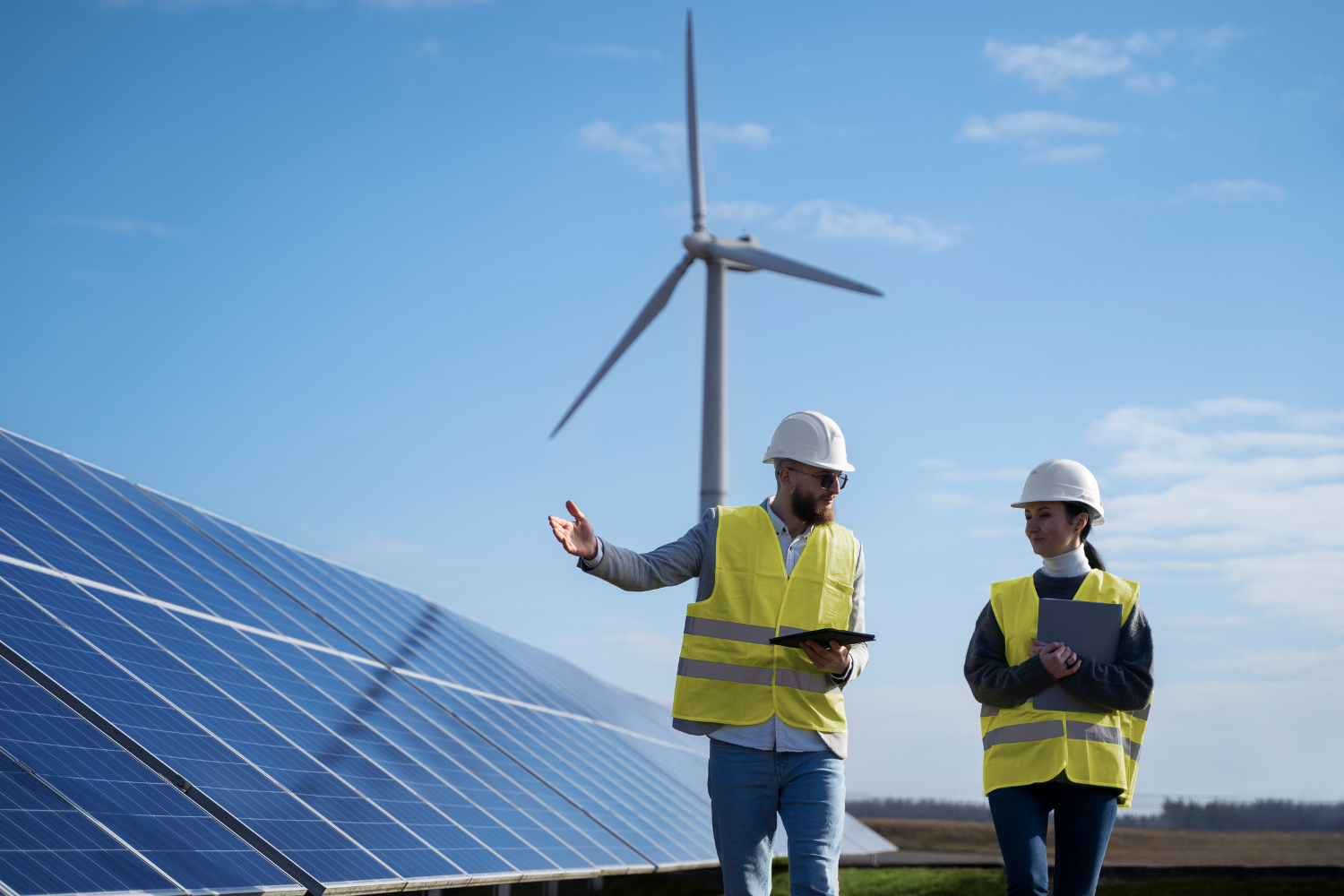
Choosing the Best Country to Study Renewable Energy is crucial if you want to build a future-ready career in the global clean energy transition. Countries such as the USA, Germany, and Australia lead in renewable energy education through strong research ecosystems, industry partnerships, and real-world deployment of solar, wind, hydrogen, and energy storage technologies. The best destinations combine cutting-edge engineering programs with exposure to policy, sustainability, and innovation, preparing students not just for jobs but for leadership roles in achieving global net-zero goals.
This comprehensive guide examines where to study renewable energy, comparing countries based on program quality, research infrastructure, industry connections, funding opportunities, career prospects, and alignment with global renewable energy leadership.
Tuition is usually the biggest part of the study budget.
Cover four-year and two-year programme fees with a secured education loan, without liquidating family assets up front.
Get Loan AssistanceComparative Analysis: Best Countries for Renewable Energy Education
| Country | Annual Cost (USD) | Top Strength | Language | Best For |
|---|---|---|---|---|
| Germany | $11,000-$16,500 | Engineering excellence, Energiewende | German/English | Affordability, industry access |
| Denmark | $24,000-$33,000 | Wind energy leadership | English | Wind energy specializations |
| USA | $65,000-$95,000 | Research innovation | English | Cutting-edge research, highest salaries |
| China | $8,400-$18,200 | Scale and manufacturing | Chinese | Massive deployment exposure |
| Netherlands | $22,000-$34,000 | Offshore wind, innovation | English | Offshore wind, hydrogen economy |
| Norway | $18,700-$25,200 | Hydropower, offshore wind | English/Norwegian | Hydropower, quality of life |
| Australia | $37,000-$49,000 | Solar, hydrogen | English | Solar energy, immigration |
| Sweden | $18,700-$26,200 | Bioenergy, sustainability | English/Swedish | Bioenergy, work-life balance |
| UK | $34,000-$58,000 | Offshore wind, policy | English | Quick degree, offshore wind |
| Canada | $29,000-$44,000 | Hydropower, immigration | English/French | Immigration, affordability |
Understanding Renewable Energy: What Will You Study?

Renewable energy encompasses energy sources that naturally replenish on human timescales, such as solar, wind, hydroelectric, geothermal, biomass, and ocean energy, as well as enabling technologies like energy storage, smart grids, and hydrogen production.
Core Technologies & Specialisations in Renewable Energy
| Renewable Area | Key Focus Areas | Why It Matters (Career & Industry Use) |
|---|---|---|
| Solar Energy | PV system design, CSP, perovskite cells, BIPV, solar modelling | Largest global renewable market; strong demand in utilities, urban infrastructure, and R&D |
| Wind Energy | Onshore & offshore design, turbine aerodynamics, floating wind, grid integration | Critical for large-scale power generation and coastal nations; high-paying engineering roles |
| Hydroelectric Power | Large & small hydro, pumped storage, run-of-river, and dam operations | Backbone of renewable baseload and energy storage; key for grid stability |
| Energy Storage | Batteries, pumped hydro, hydrogen storage, EV integration | Core enabler of renewables; fastest-growing specialization with strong industry demand |
| Bioenergy & Biofuels | Biomass conversion, biogas, waste-to-energy, lifecycle assessment | Important for the circular economy, rural energy, and sustainable fuel alternatives |
| Geothermal Energy | Power plant design, EGS, heat pumps, resource assessment | Reliable baseload renewable; niche but high-impact technical expertise |
| Emerging Technologies | Green hydrogen, smart grids, microgrids, tidal energy, CCS | Future-focused roles shaping net-zero goals, energy policy, and advanced research |
Top 10 Best Countries to Study Renewable Energy
These countries have a good world renewable energy ranking. Read to learn more.

1. Germany
Germany leads renewable energy education globally, combining engineering excellence with real-world Energiewende (energy transition) experience and unparalleled industry connections. It is one of the best countries to study renewable energy.
Why Germany Leads:
- Energiewende Leadership: World's most ambitious energy transition in an industrialized nation
- Industry Access: Siemens, Vestas, major solar and wind companies
- Research Excellence: Fraunhofer Institutes are dedicated to renewable energy
- Tuition-Free Education: Public universities charge minimal fees
- Practical Experience: Integration with Germany's renewable energy sector
Top Universities and Institutes:
Universities:
- Technical University of Munich (TUM) - Sustainable Energy Systems
- RWTH Aachen University - Energy Engineering programs
- University of Oldenburg - Wind Energy Engineering
- University of Freiburg - Solar Energy Engineering
- University of Stuttgart - Energy Technology programs
- Technical University of Berlin - Renewable Energy Systems
Research Institutes:
- Fraunhofer Institute for Solar Energy Systems (ISE) - World's largest solar research institute
- Fraunhofer Institute for Wind Energy Systems (IWES)
- German Aerospace Centre (DLR) - Concentrating solar power
- Karlsruhe Institute of Technology (KIT) - Energy storage research
Program Highlights:
- Hands-on experience with Germany's renewable infrastructure
- Industry collaboration projects
- Access to wind parks and solar installations
- Strong emphasis on grid integration
- Offshore wind expertise (North Sea projects)
Average Costs:
- Tuition: €0-€3,000/year (public universities)
- Semester Fees: €150-€350
- Living Expenses: €10,000-€12,000/year
- Total Annual: €10,000-€15,000 ($11,000-$16,500)
Program Structure:
- Bachelor's: 3 years
- Master's: 2 years
- PhD: 3-4 years (employed positions)
Career Prospects:
- Renewable Energy Engineer: €45,000-€60,000
- Senior Engineer: €65,000-€85,000
- Project Manager: €70,000-€95,000
- R&D Scientist: €55,000-€80,000
Industry Connections:
- Siemens Energy
- Vestas (wind turbines)
- SMA Solar Technology
- Nordex (wind turbines)
- RWE Renewables
- E.ON renewable divisions
Language Requirements:
- Many master's programs in English
- German B2 level expands opportunities
- Integration courses available
Best For: Students seeking world-leading engineering education at minimal cost, hands-on experience with operational renewable energy systems, strong industry connections, and expertise in energy transition challenges.
2. Denmark
Denmark offers unparalleled wind energy expertise combined with a sustainability-first approach, achieving 80%+ renewable electricity and pioneering offshore wind technology. Hence, also one of the best countries to study sustainability.
Why Denmark Excels:
- Wind Energy Capital: 50%+ of electricity from wind, the world's highest
- Offshore Wind Leadership: Pioneering floating and fixed offshore platforms
- Vestas Headquarters: World's largest wind turbine manufacturer
- Sustainability Culture: Deeply integrated into society and education
- Innovation Focus: Continuous technology advancement
Top Universities:
- Technical University of Denmark (DTU) - Wind Energy department, world-leading
- Aalborg University - Energy Engineering programs
- Aarhus University - Environmental Science with Renewable Energy
- University of Southern Denmark - Energy Engineering
Research Centres:
- DTU Wind Energy - Largest university wind energy department globally
- Danish Energy Agency - Policy and research
- Ørsted (formerly DONG Energy) - Corporate research partnerships
Program Highlights:
- World's most comprehensive wind energy education
- Offshore wind specialization
- Hands-on experience at Denmark's wind parks
- Strong energy storage and grid integration
- Sustainability and circular economy integration
Average Costs:
- Tuition (EU): Free
- Tuition (Non-EU): €10,000-€15,000/year
- Living Expenses: €12,000-€15,000/year
- Total (Non-EU): €22,000-€30,000/year ($24,000-$33,000)
Program Structure:
- Bachelor's: 3 years
- Master's: 2 years (English-taught)
- PhD: 3 years (salaried position)
Career Prospects:
- Wind Energy Engineer: DKK 400,000-550,000 (€54,000-€74,000)
- Senior Engineer: DKK 600,000-800,000 (€80,000-€107,000)
- Project Manager: DKK 700,000-950,000 (€94,000-€127,000)
Industry Connections:
- Vestas (wind turbines)
- Ørsted (offshore wind development)
- Siemens Gamesa (wind turbines)
- Vattenfall (energy company)
- European Energy (project development)
Unique Advantages:
- World's highest wind energy penetration provides an unmatched learning environment.
- Offshore wind expertise is unparalleled globally
- Strong work-life balance culture
- English is widely spoken
Best For: Students focused on wind energy (especially offshore), sustainability integration, Scandinavian quality of life, and learning from theworld'ss most successful wind energy transition.
3. United States
The United States offers cutting-edge research, diverse technology focus, extensive funding, and connections with Silicon Valley innovation in clean technology.
Why the USA Attracts:
- Research Excellence: Top-ranked universities with massive research funding
- Technology Innovation: Silicon Valley clean tech ecosystem
- Diverse Applications: Solar (Southwest), wind (Midwest), all technologies
- DOE National Labs: Access to world-class research facilities
- Entrepreneurship: Strong startup culture in clean energy
Top Universities:
Leading Programs:
- Massachusetts Institute of Technology (MIT) - MIT Energy Initiative
- Stanford University - Precourt Institute for Energy
- University of California, Berkeley - Energy Resources Group
- Carnegie Mellon University - Energy Science & Technology
- Cornell University - Energy Systems Engineering
- University of Texas at Austin - Energy Institute
- Arizona State University - School of Sustainability
- University of California, San Diego - Centre for Energy Research
National Laboratories:
- National Renewable Energy Laboratory (NREL) - Golden, Colorado
- Sandia National Laboratories - Energy storage, solar
- Lawrence Berkeley National Lab - Energy technologies
- Argonne National Laboratory - Battery research
Program Highlights:
- Interdisciplinary approach (engineering + policy + business)
- Access to DOE funding and facilities
- Strong entrepreneurship programs
- Diverse renewable resources across states
- Technology transfer opportunities
Average Costs: Undergraduate:
- Tuition: $50,000-$70,000/year
- Living: $20,000-$25,000/year
- Total: $70,000-$95,000/year
Graduate Master'ss):
- Tuition: $45,000-$70,000/year
- Living: $20,000-$25,000/year
- Total: $65,000-$95,000/year
- Many funded research assistantships are available
PhD Programs:
- Typically fully funded
- Stipend: $30,000-$40,000/year
- Tuition waiver included
Career Prospects:
- Renewable Energy Engineer: $70,000-$95,000
- Senior Engineer: $100,000-$140,000
- Research Scientist: $90,000-$130,000
- Project Manager: $95,000-$145,000
Industry Connections:
- Tesla (energy storage, solar)
- First Solar (solar manufacturing)
- General Electric (wind turbines, grid)
- NextEra Energy (the largest renewable energy company)
- Sunrun, SunPower (solar)
- Numerous clean tech startups
Post-Study Work Rights:
- OPT: 12 months standard, 36 months for STEM fields
- H-1B visa pathway for long-term employment
Best For: Students seeking a world-leading research environment, technology innovation culture, entrepreneurship opportunities, the highest salaries, and significant financial resources or funded positions.

4. China
China dominates global renewable energy deployment and manufacturing, offering massive scale exposure and emerging research excellence.
Why China Matters: World's
- s Largest Renewable Energy Producer: Leading in solar and wind capacity
- Manufacturing Dominance: 80%+ of theworld'ss solar panels, major wind turbine production
- Massive Investment: Hundreds of billions in renewable energy annually
- Scale Exposure: Witness theworld'ss largest energy transition
- Emerging Research: Rapidly improving university rankings
Top Universities:
- Tsinghua University - Department of Energy and Power Engineering
- Shanghai Jiao Tong University - School of Mechanical Engineering
- Zhejiang University - College of Energy Engineering
- North China Electric Power University - Renewable Energy Institute
- Harbin Institute of Technology - Energy Science and Engineering
Program Highlights:
- Exposure to the world's largest renewable energy projects
- Solar and wind manufacturing insights
- Grid integration at unprecedented scale
- Government scholarships available
- Growing English-taught programs
Average Costs:
- Tuition: CNY 30,000-80,000/year ($4,200-$11,200)
- Living: CNY 30,000-50,000/year ($4,200-$7,000)
- Total: CNY 60,000-130,000/year ($8,400-$18,200)
Scholarships:
- Chinese Government Scholarship (full funding)
- Confucius Institute Scholarships
- University-specific scholarships
Career Prospects: Within China:
- Engineer: CNY 150,000-300,000
- Senior Engineer: CNY 300,000-600,000
Challenges:
- Language barrier (Mandarin essential for maximum opportunities)
- Cultural adaptation
- Air quality in some cities
- Internet restrictions
Industry Connections:
- Longi Solar (world's largest solar module manufacturer)
- Goldwind (major wind turbine manufacturer)
- BYD (electric vehicles, energy storage)
- State Grid Corporation (grid integration)
- China Three Gorges Corporation (hydropower, expanding into wind/solar)
Best For: Students interested in large-scale renewable deployment, manufacturing insights, affordable education, experiencing theworld'ss fastest energy transition, and comfortable with language challenges.
5. Netherlands
The Netherlands excels in offshore wind, energy systems integration, and innovative approaches to energy transition in densely populated areas.
Why the Netherlands Stands Out:
- Offshore Wind Expertise: North Sea wind farm development
- Energy Systems Innovation: Smart grids, hydrogen economy
- Water Management Integration: Combining renewable energy with water expertise
- English Programs: Extensive English-taught options
- Innovation Culture: Forward-thinking energy solutions
Top Universities:
- Delft University of Technology (TU Delft) - Sustainable Energy Technology
- Utrecht University - Sustainable Business and Innovation
- University of Groningen - Energy and Environmental Sciences
- Wageningen University - Bio-based Economy
- Eindhoven University of Technology - Energy Systems and Services
Program Highlights:
- Interdisciplinary approach (engineering + social sciences + economics)
- Offshore wind specialization
- Hydrogen economy programs
- Circular economy integration
- Energy storage and smart grids
Average Costs:
- Tuition (EU): €2,300/year
- Tuition (Non-EU): €10,000-€18,000/year
- Living: €10,000-€13,000/year
- Total (Non-EU): €20,000-€31,000/year ($22,000-$34,000)
Career Prospects:
- Renewable Energy Engineer: €40,000-€55,000
- Senior Engineer: €60,000-€80,000
- Project Manager: €65,000-€90,000
Industry Connections:
- Shell (transitioning to renewables)
- Eneco (energy company)
- TenneT (grid operator)
- Numerous offshore wind developers
Best For: Students interested in offshore wind, energy systems integration, hydrogen economy, English-taught European programs, and innovative energy solutions.
6. Norway
Norway offers hydroelectric expertise, offshore wind development, and a strong focus on energy systems in high-latitude environments. This country uses renewable energy. Apart from learning exposure, you can also gain practical exposure.
Why Norway Attracts:
- Hydropower Dominance: 95%+ electricity from hydro
- Offshore Expertise: Oil & gas expertise transitioning to offshore wind
- Energy Storage: Pumped hydro and battery storage
- Quality of Life: Excellent living standards
- Government Support: Strong funding for clean energy
Top Universities:
- Norwegian University of Science and Technology (NTNU) - Energy and Process Engineering
- University of Oslo - Renewable Energy program
- University of Bergen - Energy systems
- Norwegian University of Life Sciences - Renewable Energy
Program Highlights:
- Hydropower expertise
- Offshore wind and floating platforms
- Arctic renewable energy challenges
- Energy storage systems
- Sustainable energy management
Average Costs:
- Tuition (EU/EEA): Free
- Tuition (Non-EU): NOK 80,000-120,000/year (€7,500-€11,200)
- Living: NOK 120,000-150,000/year (€11,200-€14,000)
- Total (Non-EU): NOK 200,000-270,000/year ($18,700-$25,200)
Career Prospects:
- Engineer: NOK 500,000-650,000
- Senior Engineer: NOK 700,000-900,000
- Project Manager: NOK 800,000-1,100,000
Industry Connections:
- Equinor (transitioning from oil to renewables)
- Statkraft (Europe's largest renewable energy generator)
- Scatec (solar developer)
- Aker Solutions (offshore wind)
Best For: Students interested in hydropower, offshore wind, energy storage, Arctic renewable challenges, and excellent quality of life despite high costs.
Exams, One Place
Not sure which voucher you need?
Browse available exam vouchers for PTE, PTE Core, IELTS, GRE, TOEFL and Duolingo, and check the current price and savings before booking.
Browse All Vouchers →7. Australia
Australia offers world-class solar resources, an emerging hydrogen economy, and practical renewable energy engineering programs.
Why Australia Excels:
- Solar Resource: Among the world's highest solar irradiance
- Hydrogen Hub: Emerging as a major green hydrogen exporter
- Mining Transition: Resources sector pivoting to renewables
- Grid Innovation: Island grid challenges drive innovation
- Immigration Friendly: Clear pathways for engineers
Top Universities:
- Australian National University (ANU) - Battery storage and solar
- University of New South Wales (UNSW) - Photovoltaic and Renewable Energy Engineering
- University of Queensland - Sustainable Energy
- RMIT University - Sustainable Energy Engineering
- Curtin University - Renewable Energy Engineering
Research Centres:
- Australian Renewable Energy Agency (ARENA) - Funding and coordination
- CSIRO (Commonwealth Scientific and Industrial Research Organisation) - Energy research
Program Highlights:
- World-leading solar PV research
- Hydrogen economy programs
- Off-grid and microgrid systems
- Energy storage innovation
- Industry placement opportunities
Average Costs:
- Tuition: AUD $35,000-$48,000/year
- Living: AUD $20,000-$25,000/year
- Total: AUD $55,000-$73,000/year ($37,000-$49,000)
Career Prospects:
- Renewable Energy Engineer: AUD $70,000-$95,000
- Senior Engineer: AUD $100,000-$135,000
- Project Manager: AUD $110,000-$160,000
Industry Connections:
- ACWA Power (renewable projects)
- AGL Energy
- Origin Energy
- Numerous solar and wind farm developers
- Emerging hydrogen companies
Post-Study Work Rights:
- Temporary Graduate visa: 2-4 years
- Engineering on the skilled occupation list
Best For: Students focused on solar energy, hydrogen economy, grid innovation, practical engineering, immigration opportunities, and an excellent lifestyle.

8. Sweden
Sweden combines renewable energy leadership with a strong research culture and a commitment to carbon neutrality by 2045.
Why Sweden Attracts:
- Carbon Neutral Goal: Ambitious 2045 target driving innovation
- Bioenergy Leadership: Biomass and biofuel expertise
- Grid Integration: High renewable penetration experience
- Innovation Culture: Strong R&D environment
- Quality of Life: Excellent work-life balance
Top Universities:
- KTH Royal Institute of Technology - Sustainable Energy Engineering
- Chalmers University of Technology - Energy Engineering
- Lund University - Sustainable Energy Systems
- Uppsala University - Energy Systems
- Linköping University - Energy and Environmental Engineering
Program Highlights:
- Bioenergy and biofuels specialization, district heating systems
- Energy efficiency
- Sustainable transportation
- Circular economy integration
Average Costs:
- Tuition (EU): Free
- Tuition (Non-EU): SEK 100,000-160,000/year (€9,300-€14,900)
- Living: SEK 100,000-120,000/year (€9,300-€11,200)
- Total (Non-EU): SEK 200,000-280,000/year ($18,700-$26,200)
Career Prospects:
- Engineer: SEK 400,000-550,000
- Senior Engineer: SEK 600,000-800,000
- Project Manager: SEK 700,000-950,000
Industry Connections:
- Vattenfall (major European utility)
- Vestas (wind operations)
- Northvolt (battery manufacturing)
- Stena Renewable Energy
Best For: Students interested in bioenergy, the Nordic sustainability approach, the circular economy, work-life balance, and a comprehensive welfare system.
9. United Kingdom
The UK offers strong offshore wind programs, pioneering energy policy education, and leading business schools with a sustainability focus.
Why the UK Appeals:
- Offshore Wind Leader: World's largest offshore wind capacity
- Policy Innovation: Carbon markets, renewable incentives
- Academic Reputation: Russell Group universities
- Energy Finance: London's role in renewable energy financing
- Short Duration: One-year master's programs
Top Universities:
- Imperial College London - Sustainable Energy Futures
- University of Edinburgh - Renewable Energy Systems
- Cranfield University - Energy Systems
- University of Strathclyde - Wind Energy Systems
- University of Exeter - Renewable Energy Engineering
- Loughborough University - Renewable Energy Systems Technology
Program Highlights:
- Offshore wind engineering
- Energy policy and economics
- Carbon markets and trading
- Renewable energy finance
- Rapid completion (1-year master's)
Average Costs:
- Tuition: £15,000-£28,000 ($19,000-$35,000)
- Living: £12,000-£18,000 ($15,000-$23,000)
- Total: £27,000-£46,000 ($34,000-$58,000)
Career Prospects:
- Graduate Engineer: £28,000-£38,000
- Renewable Energy Engineer: £35,000-£55,000
- Senior Engineer: £50,000-£75,000
- Project Manager: £55,000-£85,000
Industry Connections:
- SSE Renewables (major UK wind developer)
- Ørsted UK operations
- ScottishPower Renewables
- EDF Renewables
- Octopus Energy
Post-Study Work Rights:
- 2-year Graduate Route visa
Best For: Students wanting a prestigious degree quickly, offshore wind expertise, energy policy/finance focus, and European market access.
10. Canada
Canada offers hydroelectric expertise, an emerging renewable energy sector, and an immigration-friendly environment for clean energy professionals.
Why Canada Appeals:
- Hydropower Expertise: Major hydroelectric resources
- Wind Growth: Rapidly expanding wind sector
- Immigration Pathways: Clear routes to permanent residency
- Research Funding: Strong government support for clean energy
- Arctic Renewable Challenges: Unique northern energy systems
Top Universities:
- University of Toronto - Sustainable Energy
- University of British Columbia - Clean Energy Engineering
- University of Waterloo - Sustainable and Renewable Energy Engineering
- Carleton University - Sustainable and Renewable Energy Engineering
- University of Alberta - Energy Systems
Program Highlights:
- Hydroelectric systems
- Wind energy in cold climates
- Energy storage
- Off-grid systems for remote communities
- Clean technology innovation
Average Costs:
- Tuition: CAD $25,000-$40,000/year
- Living: CAD $15,000-$20,000/year
- Total: CAD $40,000-$60,000/year ($29,000-$44,000)
Career Prospects:
- Renewable Energy Engineer: CAD $65,000-$85,000
- Senior Engineer: CAD $85,000-$120,000
- Project Manager: CAD $95,000-$135,000
Industry Connections:
- Canadian Solar (major solar manufacturer)
- TransAlta Renewables
- Northland Power
- Boralex (wind and hydro)
- Innergex Renewable Energy
Post-Study Work Rights:
- 3-year Post-Graduation Work Permit
- Express Entry pathway to PR
Best For: Students prioritizing immigration alongside education, interested in hydropower and cold-climate renewables, the North American market, and an affordable alternative to the USA.
Tuition is usually the biggest part of the study budget.
Cover four-year and two-year programme fees with a secured education loan, without liquidating family assets up front.
Get Loan AssistanceTop 10 Renewable Energy Producing Countries: Industry Context
Understanding where renewable energy is deployed at scale provides context for educational opportunities and career prospects:
Global Renewable Energy Leaders (2024 Data)
1. China - 1,100+ GW renewable capacity; world's largest solar and wind capacity
- Aggressive deployment targets
- Manufacturing dominance
- Massive job creation in renewables
2. United States - 420+ GW
- Diverse portfolio (wind, solar, hydro, geothermal)
- State-level leadership (California, Texas)
- Strong research and innovation
- Growing clean energy jobs
3. Brazil - 180+ GW
- Hydropower dominance (60%+ of capacity)
- Growing wind and solar
- Biofuel leadership
- Amazon basin hydroelectric
4. India - 175+ GW
- Rapidly expanding solar
- Wind energy growth
- Ambitious renewable targets
- Cost-competitive installations
5. Germany - 140+ GW
- Balanced wind and solar
- Energiewende policy framework
- Grid integration challenges overcome
- Engineering excellence
6. Canada - 100+ GW
- Hydroelectric dominance
- Growing wind sector
- Provincial leadership
- Clean energy exports
7. Japan - 95+ GW
- Post-Fukushima shift to renewables
- Solar expansion
- Offshore wind development
- Technology innovation
8. Spain - 75+ GW
- Wind energy leader
- Growing solar capacity
- Grid flexibility
- European interconnections
9. United Kingdom - 60+ GW
- Offshore wind leadership
- Coal phase-out complete
- Carbon market innovation
- Renewable targets achieved early
10. France - 60+ GW
- Hydroelectric heritage
- Growing wind and solar
- Nuclear + renewables mix
- European grid integration
Educational Implications: Countries that lead in deployment often (but not always) offer strong educational opportunities. Germany, Denmark, the USA, the UK, and China exemplify alignment between production leadership and educational excellence. However, some top producers (Brazil, India) have developed educational infrastructure, while some educational leaders (the Netherlands, Sweden, Norway) punch above their weight in capacity.
Educational Pathways
| Level | What You Study | WhoIt'ss For | Typical Outcome |
|---|---|---|---|
| Undergraduate | Renewable Energy Engineering, Sustainable Energy Systems, Electrical/Mechanical Engg. (Renewables), Environmental Energy | Students starting an energy career | Entry-level renewable or energy engineer. Master'ss |
| s | Renewable Energy, Sustainable Energy, Energy Management (MBA), Solar/Wind/Energy Storage specializations | Skill upgrade or career switch | Engineer, consultant, project or energy manager |
| PhD / Doctorate | Advanced research in renewable technologies (3–5 years) | Research & academic focus | R&D scientist, professor, innovation lead |
| Professional Certifications | NABCEP, LEED, Energy Auditor, Renewable PM, Energy Policy | Working professionals | Faster promotions, certified specialist roles |
Career Pathways

Engineering Roles:
- Solar/Wind Systems Engineer
- Energy Storage Engineer
- Grid Integration Specialist
- Renewable Energy Project Engineer
- R&D Engineer (technology development)
Research and Academia:
- University researcher
- National laboratory scientist
- Corporate R&D positions
- Technology innovation roles
Project Development:
- Renewable energy project developer
- Technical consultant
- Site assessment specialist
- Feasibility analyst
Policy and Advocacy:
- Energy policy analyst
- Climate change consultant
- Regulatory affairs specialist
- Sustainability advisor
Business and Finance:
- Clean energy investment analyst
- Energy trading professional
- Carbon markets specialist
- Clean tech venture capital
Which Renewable Energy is the Most Efficient?
Understanding efficiency helps contextualize technology focus in educational programs:
Renewable Energy Technology Efficiency Comparison
| Technology | Typical Efficiency | Key Strength | Main Limitation |
|---|---|---|---|
| Hydroelectric Power | 80–90% | Highest efficiency, energy storage via pumped hydro | Location-dependent, environmental impact |
| Wind Energy | 35–45% | Low cost (excellent LCOE), fast global growth | Intermittent generation |
| Solar PV | 15–22% (up to 26% advanced) | Rapid cost decline, scalable, rooftop to utility | Needs storage for reliability |
| Geothermal | 10–20% | Reliable baseload power | Limited geographic availability |
| Biomass | 20–40% | Dispatchable power, CHP improves efficiency | Fuel logistics, carbon neutrality concerns |
| Ocean / Tidal | 20–30% | Predictable energy output | High cost, early-stage tech |
| Concentrated Solar Power (CSP) | 20–30% | Built-in thermal storage | Location-specific, cost vs PV |
Energy Storage Round-Trip Efficiency
| Storage Type | Efficiency | Best Use Case |
|---|---|---|
| Lithium-ion Batteries | 85–95% | Grid balancing, EVs, solar + storage |
| Pumped Hydro Storage | 70–85% | Large-scale grid storage |
| Flow Batteries | 65–80% | Long-duration storage |
| Hydrogen Storage | 30–50% | Seasonal storage, green hydrogen systems |
Key academic insight:
Most renewable energy programs teach multiple technologies, but solar and wind dominate education, jobs, and research due to scale and growth, even though hydro remains the most efficient.
Exams, One Place
Not sure which voucher you need?
Browse available exam vouchers for PTE, PTE Core, IELTS, GRE, TOEFL and Duolingo, and check the current price and savings before booking.
Browse All Vouchers →Instant delivery · Valid for online booking · Trusted by 13.5K+ Students
Best Renewable Energy Courses in the World: Program Rankings

Top SpecialisedMaster'ss Programs
Wind Energy:
- DTU Wind Energy (Denmark) - Unrivalled specialization
- University of Oldenburg (Germany) - Wind Engineering
- University of Strathclyde (UK) - Wind Energy Systems
- NTNU (Norway) - Offshore Wind
Solar Energy:
- University of Freiburg (Germany) - Solar Energy Engineering
- UNSW (Australia) - Photovoltaic Engineering
- Arizona State University (USA) - Solar Energy
- Imperial College London (UK) - Solar Futures
Comprehensive Renewable Energy:
- TUM (Germany) - Sustainable Energy Systems
- MIT (USA) - Energy Studies
- Imperial College London (UK) - Sustainable Energy Futures
- Delft University (Netherlands) - Sustainable Energy Technology
- Stanford (USA) - Energy Resources Engineering
Energy Systems and Policy:
- UC Berkeley (USA) - Energy Resources Group
- Imperial College London (UK) - Energy Policy
- KTH (Sweden) - Energy Systems
- ETH Zurich (Switzerland) - Energy Science and Technology
Emerging Technology Focus:
- RWTH Aachen (Germany) - Energy Storage
- Delft (Netherlands) - Hydrogen Economy
- ANU (Australia) - Battery Science
- Imperial (UK) - Carbon Capture
Online and MOOCs
Coursera:
- Renewable Energy Technology (University of Colorado)
- Solar Energy (TU Delft)
- Wind Energy (DTU)
edX:
- Sustainable Energy (TU Delft)
- Energy Within Environmental Constraints (Harvard)
Future Learn:
- Renewable Energy (University of Exeter)
World's Best Renewable Energy Companies: Career Destinations
Understanding major employers helps target education:
Major Companies by Segment
| Segment | Company | Country | Core Strength |
|---|---|---|---|
| Integrated Energy | NextEra EnergyUSA's | s | the largest renewable power generator |
| Integrated Energy | Iberdrola | Spain | Large-scale wind & solar utility |
| Integrated Energy | Ørsted | Denmark | Global offshore wind leader |
| Integrated Energy | Enel Green Power | Italy | Worldwide renewable project development |
| Integrated Energy | EDF Renewables | France | Diversified renewables portfolio |
| Wind Turbines | Vestas | Denmark | Market leader in wind turbines |
| Wind Turbines | Siemens Gamesa | Spain/Germany | Offshore & onshore wind tech |
| Wind Turbines | GE Renewable Energy | USA | Multi-technology manufacturer |
| Solar | Longi SolarChina's | s | s largest solar module maker |
| Solar | First Solar | USA | Advanced thin-film solar |
| Project Development | Engie | France | Global renewable project execution |
| Project Development | RWE Renewables | Germany | European wind & solar leader |
| Energy Storage | Tesla Energy | USA | Grid-scale battery storage |
| Energy Storage | CATL | China | Global battery manufacturing leader |
| Energy Storage | Fluence | USA | Utility-scale storage solutions |
Tuition is usually the biggest part of the study budget.
Cover four-year and two-year programme fees with a secured education loan, without liquidating family assets up front.
Get Loan AssistanceRegional Renewable Energy Employment Hubs
| Region | Key Countries | Dominant Technologies | Why Important |
|---|---|---|---|
| Europe | Germany, Denmark, Spain, UK | Wind, solar, offshore wind | Strong policy support, advanced R&D |
| North America | USA, Canada | Wind, solar, storage | High salaries, large-scale projects |
| Asia-Pacific | China, Australia, Japan | Manufacturing, solar, offshore wind | Global production & rapid expansion |
| Latin America | Brazil, Chile, Mexico | Hydro, solar, wind | High resource potential |
| Middle East | UAE, Saudi Arabia | Utility-scale solar | Fast-growing emerging markets |
Key takeaway:
Global renewable careers are driven by wind, solar, and energy storage, with Europe and North America leading innovation and salaries, while Asia dominates manufacturing and scale.
Funding and Scholarships for Renewable Energy Students

Government Scholarships
Germany:
- DAAD Scholarships - Comprehensive funding for international students
- Focus on sustainable development
- Monthly stipend + tuition coverage
Denmark:
- Limited scholarships for non-EU students
- University-specific programs
- Industry-sponsored positions
European Union:
- Erasmus Mundus -Joint master's programs
- Marie Skłodowska-Curie Actions
- Horizon Europe research funding
Australia:
- Australia Awards - Developing country students
- Research Training Program
- University scholarships
Norway/Sweden:
- Government scholarships for developing countries
- Research positions (PhD) salaried
USA:
- Fulbright Program - American students abroad
- University research assistantships
- DOE fellowships for energy research
Industry Scholarships
Energy Companies:
- Shell Energy Scholarship
- BP Energy Scholarship
- Siemens Energy Fellowship
- Vestas Scholarship Program
Foundations:
- UN Foundation Energy Grants
- Climate Works Foundation
- European Climate Foundation
Research Funding
Major Programs:
- Horizon Europe (EU) - €95 billion for research
- DOE Funding (USA) - Billions for energy research
- ARENA (Australia) - Renewable energy innovation
- National Research Foundations - Country-specific
Career Prospects and Salary Expectations
Entry-Level Roles (0–3 Years)
| Role | USA | Germany | UK | Australia / Others |
|---|---|---|---|---|
| Renewable Energy Engineer | $65k–85k | €42k–55k | £28k–38k | AUD 65k–85k |
| Project Engineer | $60k–80k | €45k–58k | — | DKK 400k–500k (Denmark) |
| Energy Analyst | $55k–75k | — | £26k–36k | CAD 55k–72k |
Mid-Career Roles (3–7 Years)
| Role | USA | Germany | UK | Australia / Others |
|---|---|---|---|---|
| Senior Renewable Energy Engineer | $90k–130k | €60k–80k | — | AUD 95k–130k |
| Project Manager | $95k–140k | €65k–90k | £45k–70k | — |
| Sustainability Consultant | $85k–125k | — | £40k–65k | AUD 90k–125k |
Senior-Level Roles (7+ Years)
| Role | USA | Germany | UK | Australia |
|---|---|---|---|---|
| Principal Engineer | $120k–180k | €75k–105k | — | AUD 130k–180k |
| Director – Renewable Energy | $140k–220k | €90k–140k | £80k–130k | — |
| VP – Sustainability | $180k–300k+ | €110k–180k | — | AUD 180k–280k |
Industry Pay Comparison (Global)
| Pay Level | Sectors |
|---|---|
| Highest Paying | Offshore wind, energy storage, consulting, tech firms, renewable finance |
| Moderate Paying | Utilities, manufacturers, government, NGOs, academia |
Key takeaway:
Wind, solar, and energy storage roles in developed markets offer the fastest salary growth, with leadership and consulting positions delivering the highest long-term earnings.
Conclusion: Energizing Your Renewable Energy Career
Choosing where to study renewable energy is choosing how to position yourself in humanity's most consequential industry transformation. The global transition from fossil fuels to renewable energy represents not just an environmental imperative but the largest infrastructure rebuild in human history, creating unprecedented career opportunities for those with the right expertise, global perspective, and commitment to sustainable energy futures.